The simplest tool for splitting resistance.
A wedge is the most elemental machine in physics — the geometry that turns sideways force into a split. In positioning strategy, your “wedge” is the angle of entry that breaks open an otherwise crowded market. April Dunford calls it the entry-point dominance play; everyone else calls it the unfair advantage.
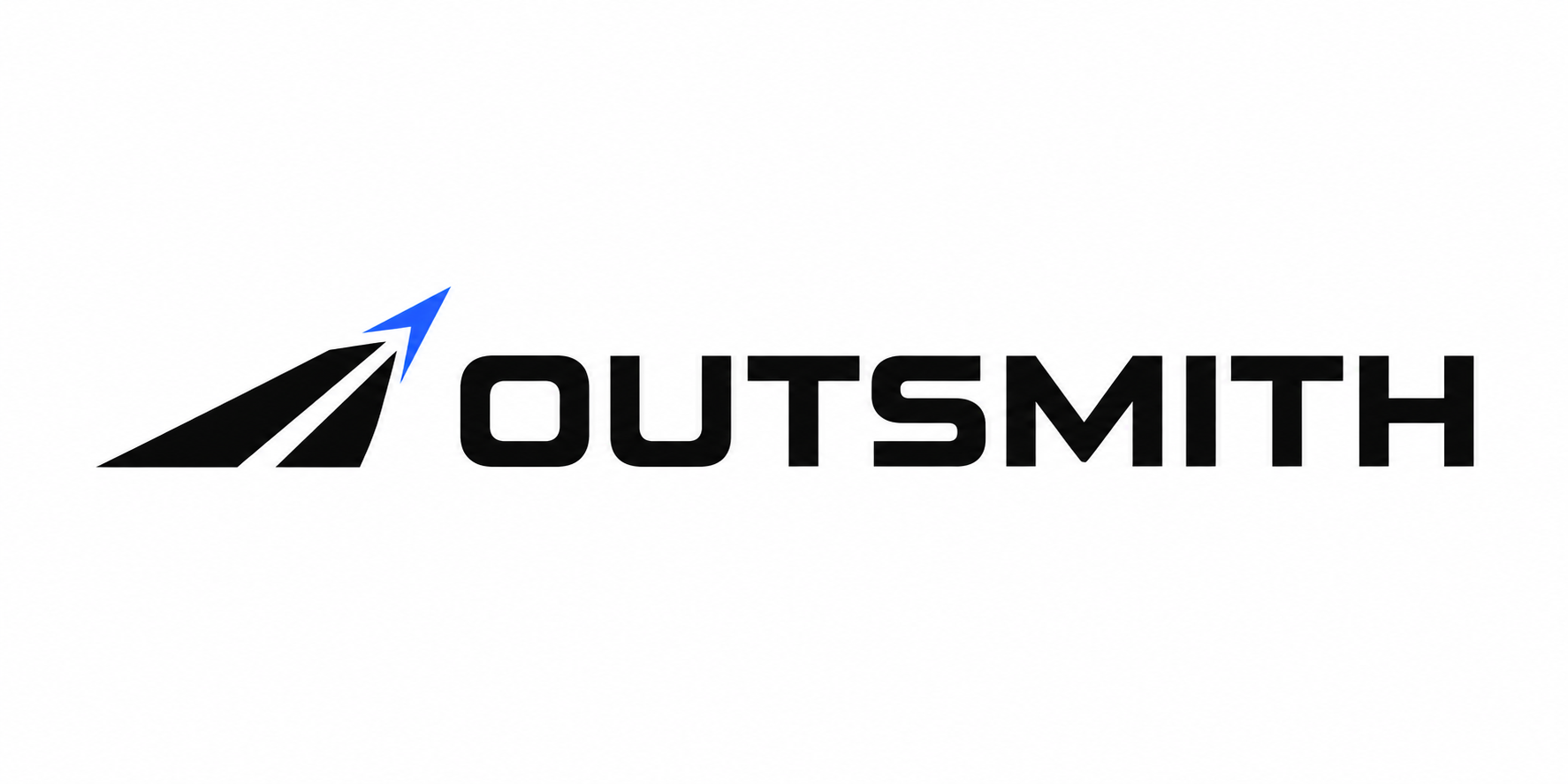
The mark here is dynamic — it angles forward, with a small accent point at the leading edge. It reads as momentum, not as a static logo. Most horizontal of the six options.
“We find the angle. We drive it home.”
Your category is crowded. Your competitors all sound identical. We find the one angle nobody else can credibly claim — and then we build the entire marketing system to drive it. Your wedge becomes your moat.
This direction signals positioning-as-craft as the brand’s core promise. The Outsider Workshop becomes the “wedge discovery” engagement; Marketing Stack Build becomes “driving the wedge.”
Best For
- Brands that lead with strategic positioning as the primary value
- Clients who already know they need differentiation but can’t articulate it
- Premium consulting tier — this mark scales up-market
- Most extensible across applications (horizontal lockup works everywhere)
Watch Outs
- Less iconic on its own — the wedge needs context to read as a wedge
- May get mistaken for a generic arrow or motion graphic
- Doesn’t telegraph “Outsider” or “Smith” explicitly — both halves of the name
- The horizontal lockup limits use as a square avatar without breaking apart
Positioning-led language. Strategic narrative.
This mark belongs to a brand voice that talks about wedges, angles, entry points, the moat, the obvious answer to a question no one is asking. Pairs naturally with April Dunford / Roger Martin school of strategy content, “positioning before marketing” thought leadership, and case studies that show before/after positioning work.